Everyone Makes Differently
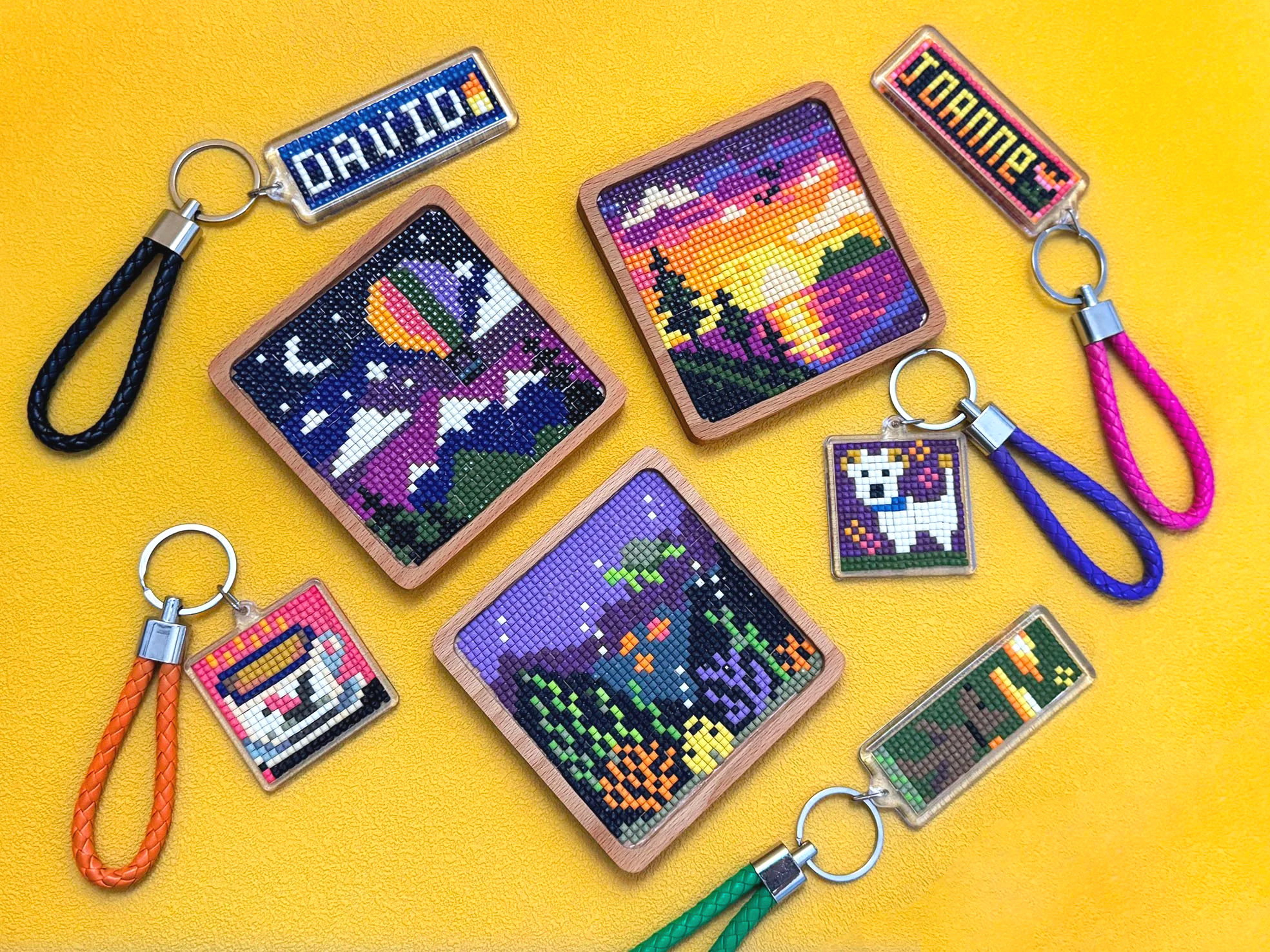
One thing I particularly like about pixel making is how approachable it can be.
Creative workshops can sometimes feel intimidating, especially when someone announces, "I'm not artistic!" before the activity has even begun. Pixel making makes that entry way alot more approachable. Because you’re working with a grid, there is a structure present to follow. We can also provide supporting images and templates, and with them, participants can choose a design and build it at their own pace.
Here, the workshop exists like a puzzle piecing session.
It’s dynamic enough that for participants who want more freedom, the grid can just be a starting point rather than a set of instructions. Change the colours! Modify the pattern! Combine two ideas? Or completely ignore the template altogether.
This is a way of making that can accomodate different types of makers.
The Pleasure of Repetition
Part of what makes pixel making enjoyable is repetition.
Pick.
Place.
Check.
Repeat.
The action itself is simple, but the image is constantly changing.
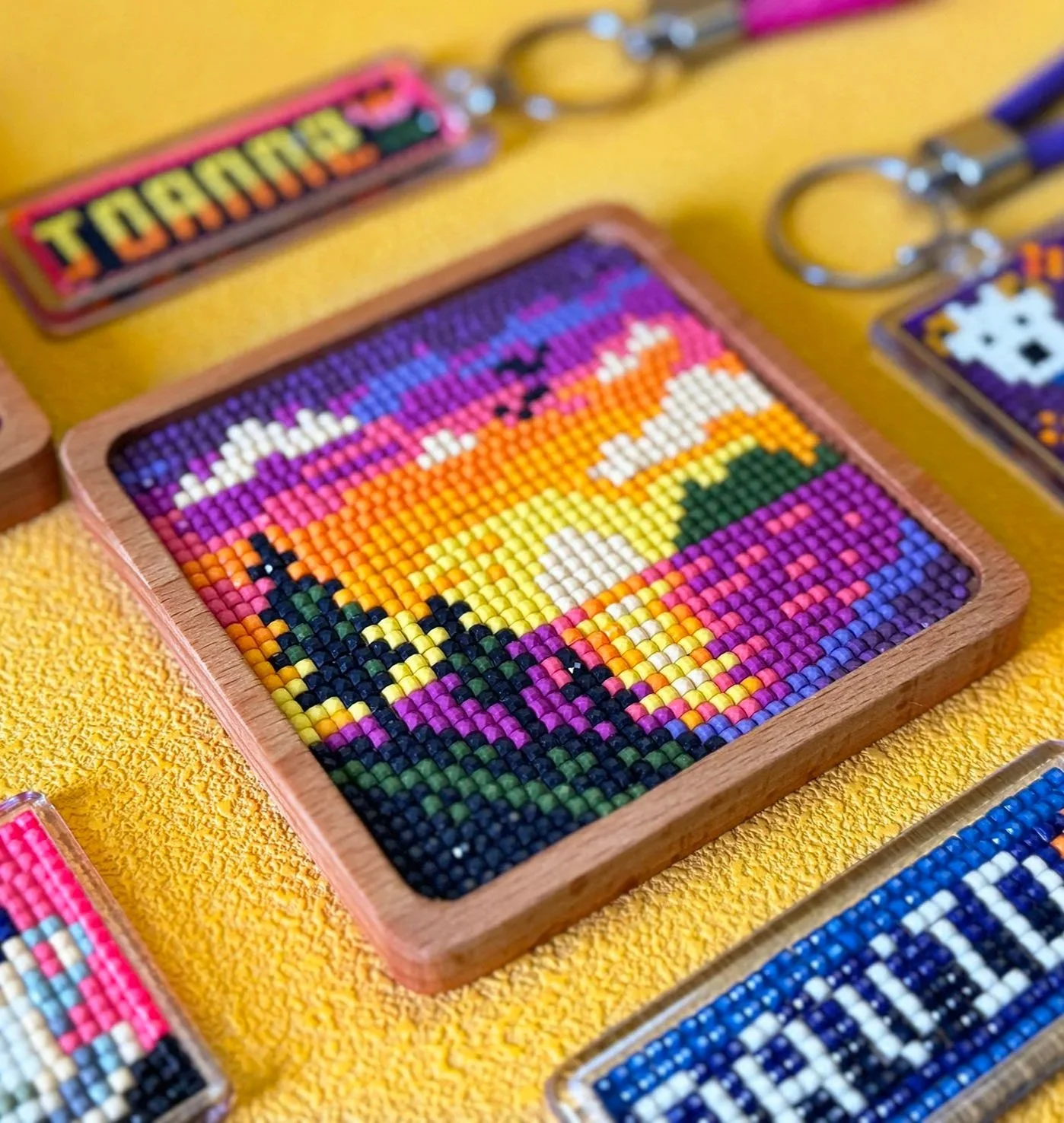
There is no need to rush towards the end because you can see your progress happening in front of you. Row by row and piece by piece, empty spaces begin filling up.
This is one of the reasons hands-on making can be such a refreshing group activity. It gives everyone permission to spend some time doing something small, tactile and focused.
Make Your Own, and Together
Team bonding doesn't always have to mean everyone doing the same thing at the same time.
Sometimes it can simply mean having the time and space to make alongside one another. People can chat while they work, compare designs, help one another find colours, or become completely absorbed in their own little grid for a while.
And there are opportunities to collaborate too.
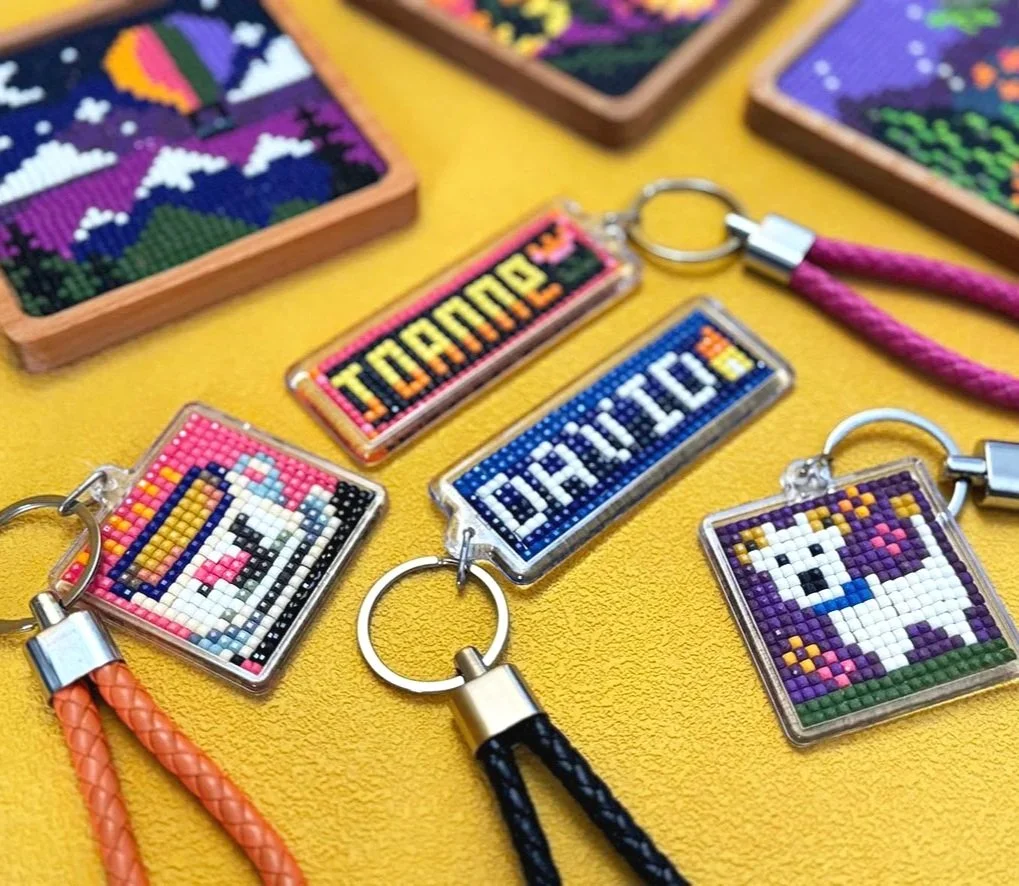
A team could choose a common theme, create a matching set of coasters, work within a shared colour palette, or divide a larger design into smaller pieces made by different participants.
Individual designs can remain individual, or they can become part of something bigger.
