Stamp Carving: The Handmade Print
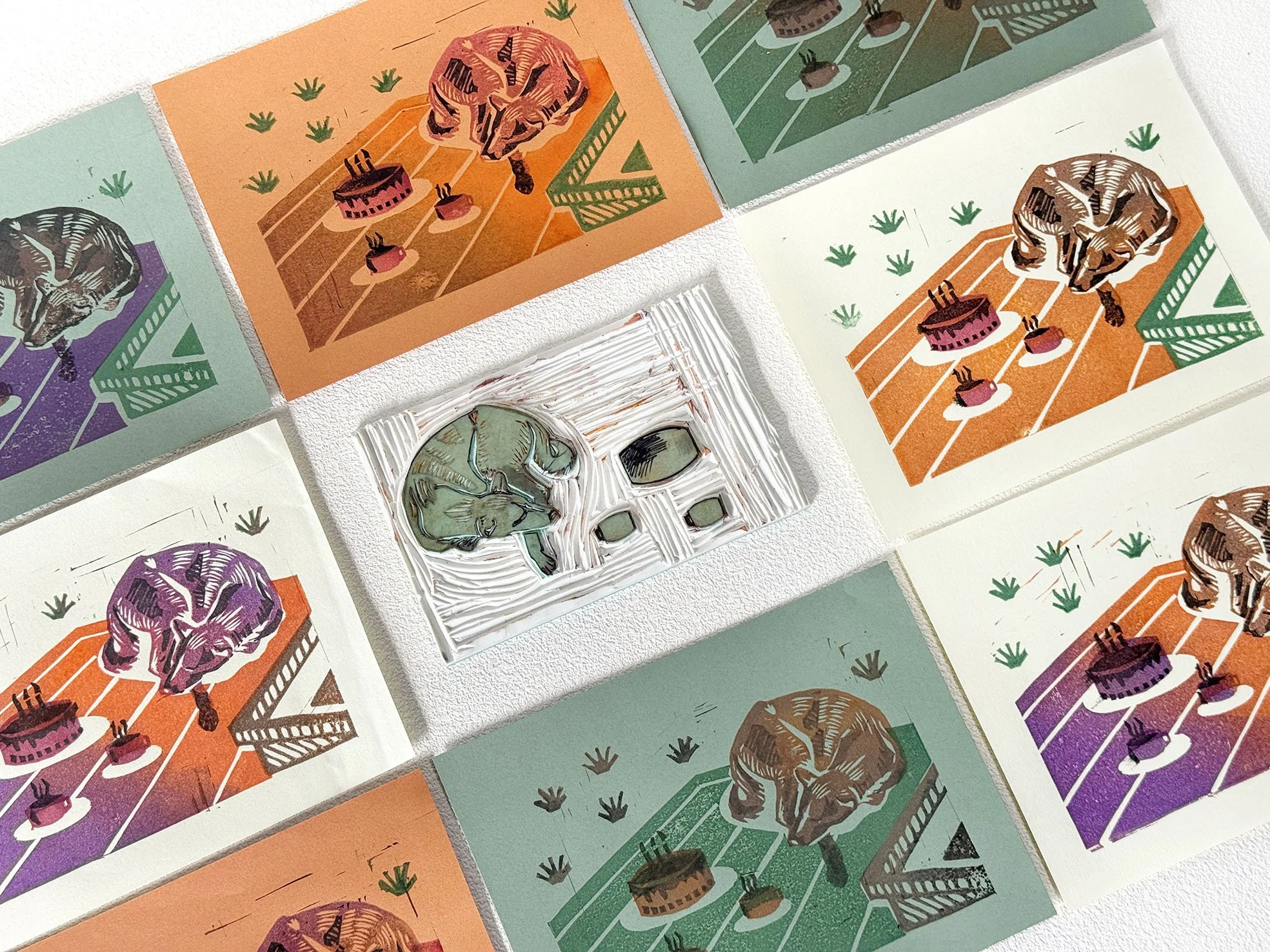
When was the last time you printed something without pressing a button?
Today, printing usually means sending a document to a machine. An image travels from screen to printer, and within seconds, a near-perfect copy appears.
But printing wasn't always so immediate.
For centuries, making a print was a physical process. An image had to be carved, inked and pressed onto another surface. Each step involved the hands, and every decision, from the depth of a carved line to the amount of ink applied, could change the final image.
Printing Before Printers
Long before we could print an image with the click of a button, printing was something done by hand.
A design would be carved into a surface, covered with ink, and pressed onto paper. The same carved block could then be used again and again, with every print carrying small variations from the one before.
One beautiful example is the Japanese tradition of ukiyo-e woodblock printing, known for its intricate carved images and beautiful use of colour. Some prints used several carved blocks, with each adding a different colour to the final image.
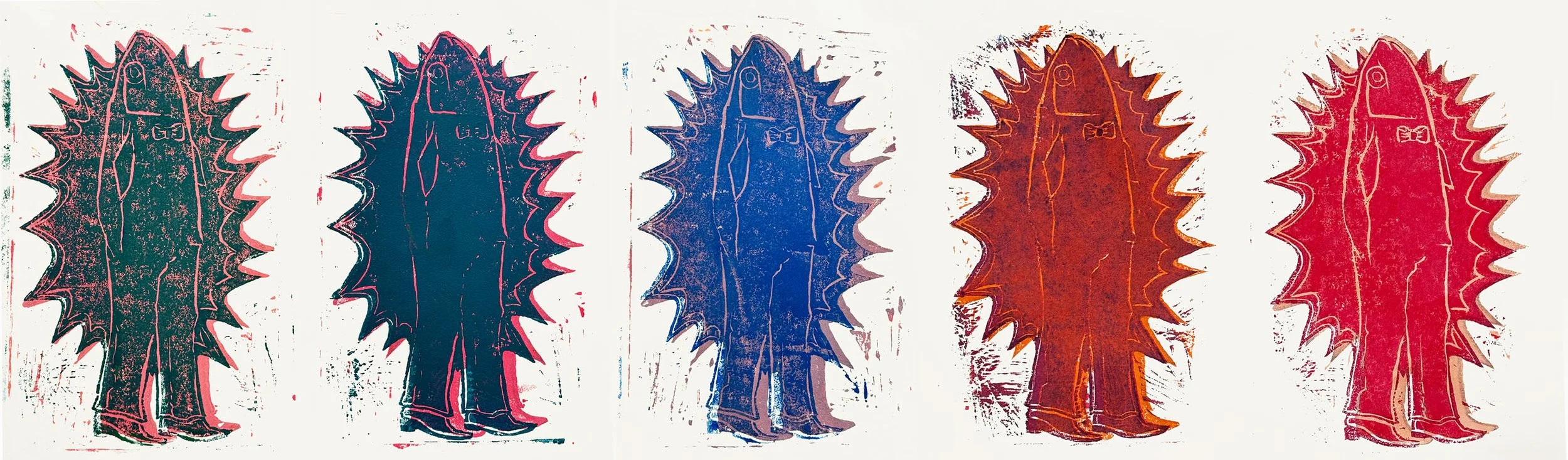
And once you've made your stamp, you don't have to stop at one print. Repeat it, rotate it, change the colours, combine it with someone else's stamp, or see what happens when the whole team starts printing together.
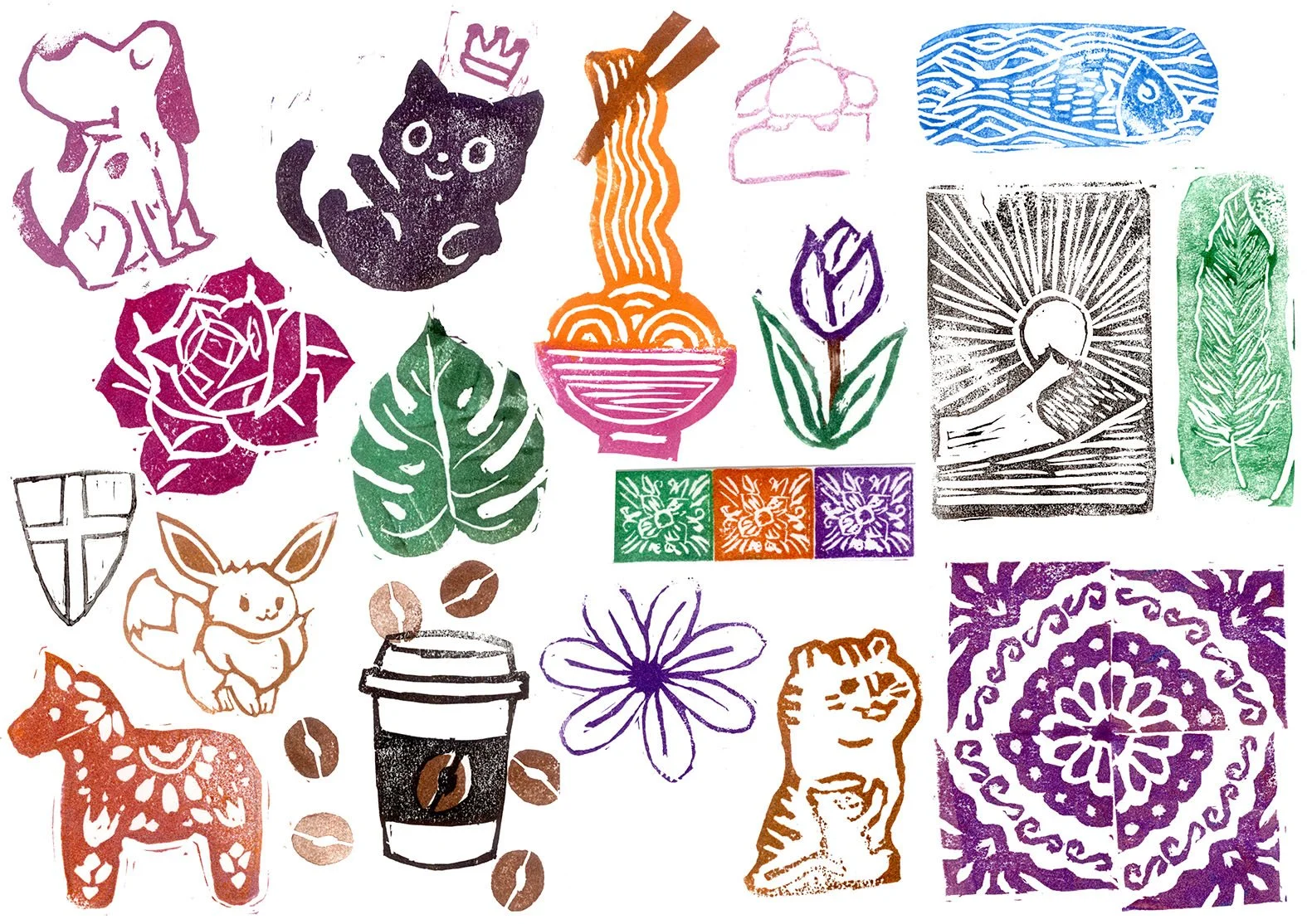
Collection of stamps made by participants in a 2 hour workshop
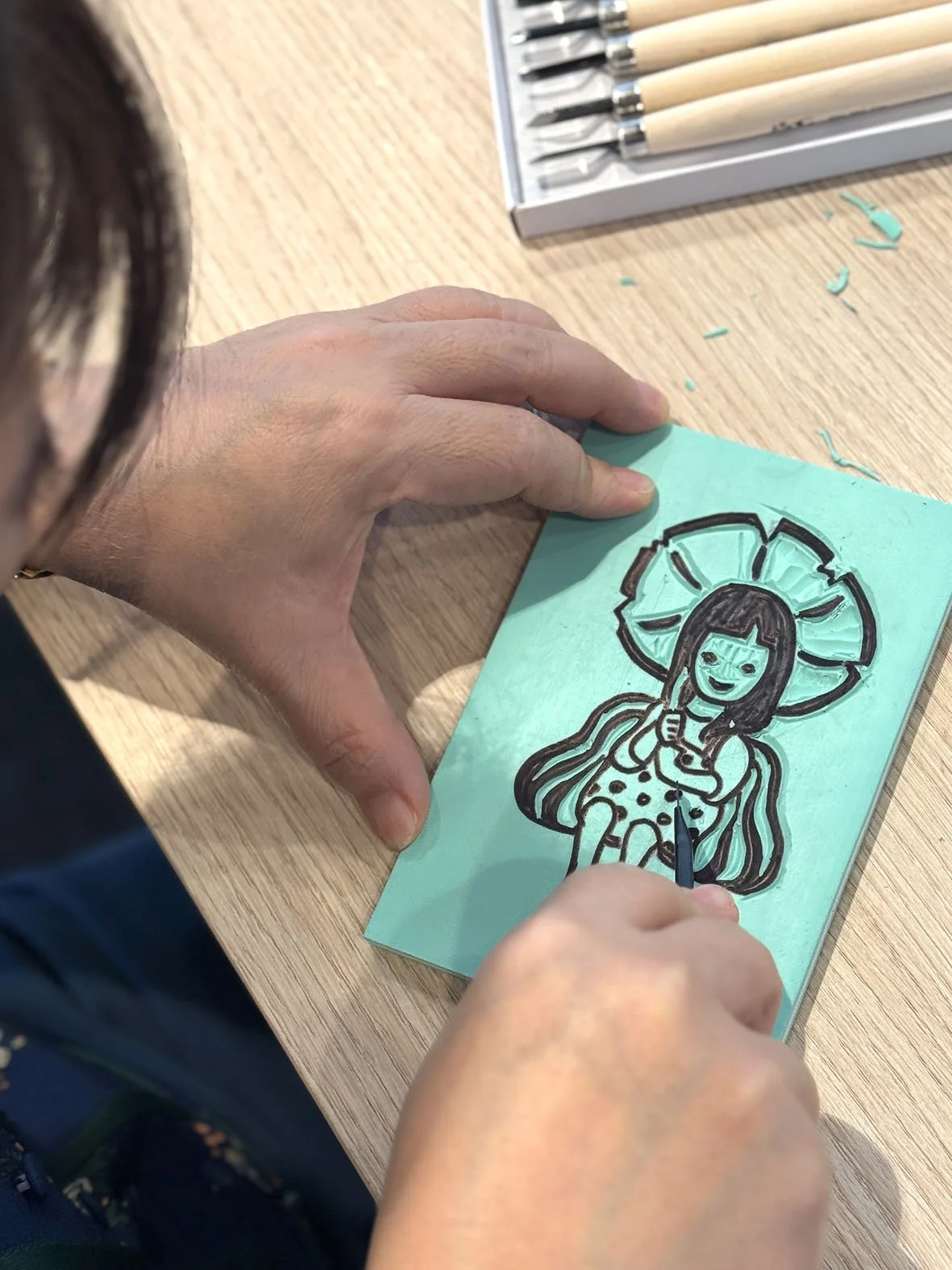
Soft Rubber: Small and Intricate
Soft carving rubber is a wonderful place to begin exploring stamp carving.
Because the material offers relatively little resistance, the carving tool can move easily across the surface. This makes it possible to work on a smaller scale and explore intricate lines, tiny shapes and fine details.
A small rubber stamp can hold a surprising amount of information. Lines can be carefully carved around one another, small areas removed, and delicate patterns gradually built up.
The softness of the material also makes it approachable for beginners. You can focus less on applying force and more on controlling the movement of the carving tool.
The result can be a stamp that is small, detailed and wonderfully precise.
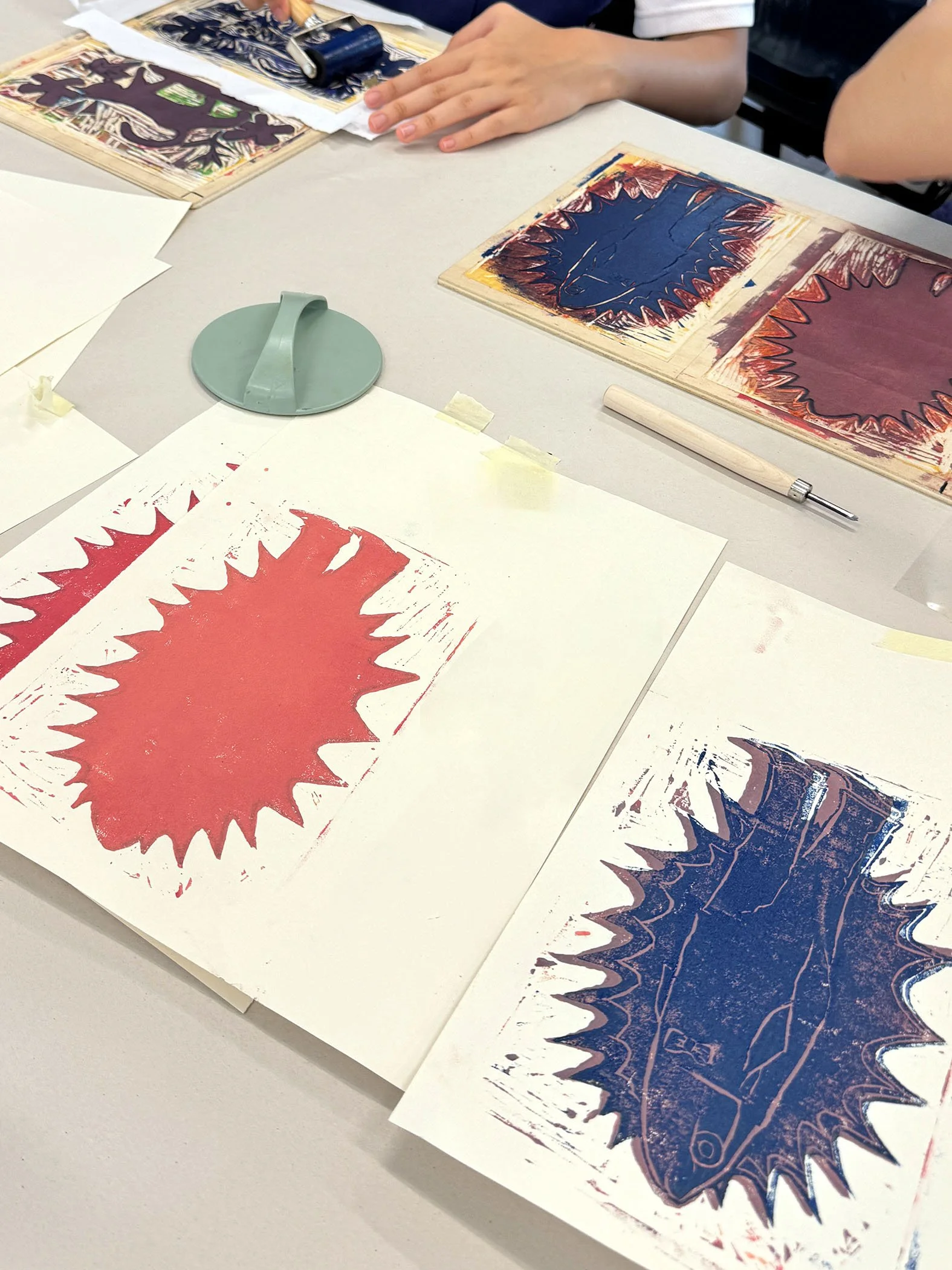
Hard Wood: Bold and Beautiful Lines
Carving wood is a very different experience.
The material is harder and offers much more resistance, asking us to work more deliberately with the carving tool. Rather than chasing tiny details, wood carving can encourage us to appreciate strong, clear and beautifully carved lines.
When inked and printed, these strong carved areas can produce images with a distinctive graphic quality; bold shapes, confident lines and the occasional trace of the material itself.
Moving from soft rubber to hard wood therefore isn't simply about changing what we carve on. Each material encourages us to carve, think and make marks differently.
Possibilities to Stamping
Once you've carved a stamp, there are plenty of possibilities for where it can go next.
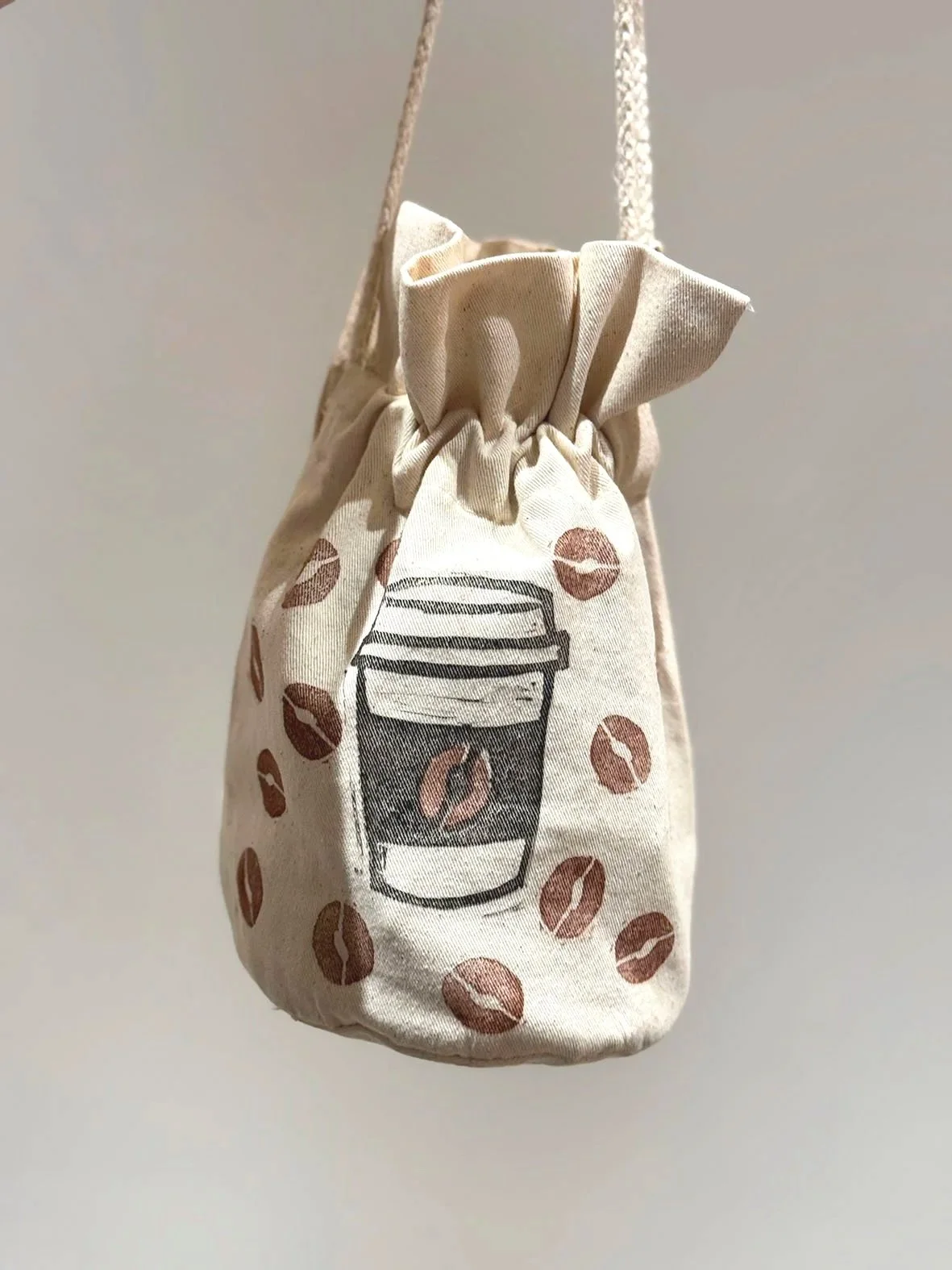
Print onto paper or fabric, experiment with different colours, repeat your design to create patterns, or combine it with stamps made by others.
This makes stamp carving a process that holds space for both individual making and collaborative play. Everyone gets the chance to create something of their own, while also having the option to bring those individual pieces together as a group.
For corporate teams, this could mean creating individual prints, a shared artwork, or even a collaborative piece printed onto fabric.
Curious about what your team could make together? Get in touch with Nimble Thumbs and let's explore the possibilities.
